
Natural Spider Control Service
Webs across the front door, spiders on the porch ceiling, a hobo spider in the bathtub. We get it, and we’re here to get rid of them. Our natural spider control clears spiders, webs, and egg sacs from your home’s exterior, treats the cracks and entry points where they hide and sneak inside, and cuts off what keeps drawing them back, all with plant-based products instead of harsh synthetic sprays. Spider control is offered by our Boise team, serving Boise, Eagle, Meridian, and Garden City.
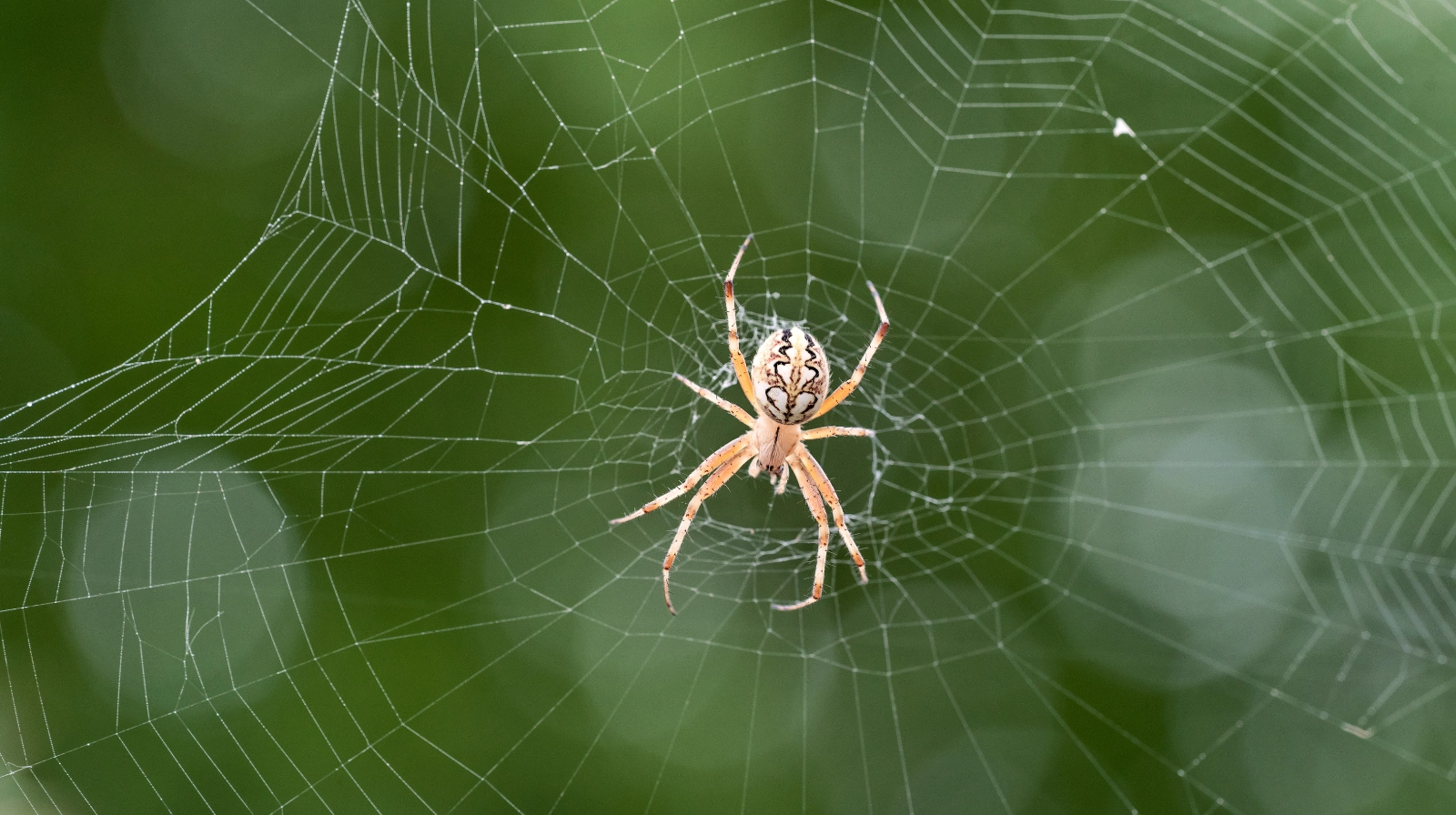
How We Get Rid of Spiders
-
Clear spiders, webs, and egg sacs
We brush down spiders, webs, funnel entrances, and egg sacs from eaves, soffits, porch ceilings, light fixtures, window frames, and outdoor furniture. Removing egg sacs takes out the next generation before it hatches.
-
Treat hiding spots and entry points
We apply plant-based products to the tight spaces spiders hide and get inside: foundation cracks, weep holes, window wells, door frames, garage corners, and under deck railings.
-
Cut off what draws them in
Spiders go where the food is. We point out the lighting, vegetation, mulch, and gaps that pull insects toward your house, so spiders lose their reason to stick around.
-
Keep them gone
We come back every 21 days through the active season, with extra attention in late summer and fall when spiders are most noticeable.
Why Our Approach Keeps Spiders Gone
Most spray-and-go services coat the siding and call it done. Then the spiders come back within weeks, because the egg sacs are still hatching and the insects they feed on are still showing up every night. We go after the whole cycle: the spiders and webs you see, the egg sacs you don’t, the cracks they hide in, and the food supply that keeps attracting new ones. A single egg sac can hold hundreds of eggs, so clearing them on every visit makes a real difference over a season.
Our products use plant-derived actives instead of synthetic pyrethroids, with peppermint oil, the plant-based spider repellent with the strongest research behind it, as a core ingredient. Want even fewer spiders? Pair it with our natural mosquito control. Fewer mosquitoes, gnats, and flies around your home means less for spiders to eat and fewer reasons for them to move in.
Spiders We Treat in the Treasure Valley
Different spiders hide in different places, so we treat each one where it lives.
Hobo and giant house spiders
These fast funnel weavers move into window wells, basements, garages, and foundation gaps, especially in late summer and fall. We clear their funnel webs, treat the cracks and gaps they use, and show you where to seal so fewer make it inside.
Orb weavers and cobweb spiders
The ones that string webs across eaves, porch ceilings, light fixtures, and patio furniture. We clear webs and egg sacs every visit and treat the surfaces they attach to, so they stop rebuilding by your doors.
Wolf spiders and other wanderers
Ground hunters that roam garage floors, patios, and doorways. We treat thresholds, foundation lines, and entry points, and flag gaps under doors that let them walk right in.
Ready to get rid of spiders?
Natural spider control is available from Clean Air Mosquito Control Boise, serving Boise, Eagle, Meridian, and Garden City.
Frequently Asked Questions About Natural Spider Control
Will natural spider control get rid of my spiders?
Yes, that’s the goal. Every visit, we clear spiders, webs, and egg sacs from your home’s exterior, treat the cracks and entry points where they hide, and cut off the insects that keep drawing them back. Most homeowners see far fewer spiders around their doors, windows, and porch as the visits add up. New spiders can always wander in from neighboring yards, which is why we stay on a regular schedule instead of doing a one-time spray.
How often do you treat for spiders?
We visit every 21 days through the active season. Each visit clears new webs and egg sacs before they can hatch and refreshes the treatment on hiding spots and entry points. We step things up in late summer and fall, when spiders are most noticeable. Sealing gaps and fixing outdoor lighting are the long-term wins, and we’ll point those out as we go.
Is natural spider control pet-friendly and pollinator-friendly?
Yes. Our products use plant-derived actives instead of synthetic pyrethroids, and they’re chosen with kids, pets, and pollinators in mind. We treat entry points, eaves, door frames, foundation cracks, and around light fixtures, and we stay off flowering plants and garden beds where bees are working. Once the treatment dries, kids and pets can head back outside.
Can you get rid of spiders inside my walls?
We focus on stopping spiders before they get inside. We treat the outside of your home where spiders enter, like foundation cracks, weep holes, window wells, and door frames, and show you which gaps to seal. Spiders already deep inside wall voids, crawlspaces, or attics are out of reach for any plant-based product, so sealing entry points and fixing moisture problems is the real fix there.
Are hobo spiders dangerous?
Here’s some good news: current science says hobo spider bites aren’t the medical threat they were once believed to be. That reputation traces back to a small study in the 1980s that later research couldn’t reproduce. Many spiders identified as hobos in the Northwest also turn out to be giant house spiders. Either way, nobody wants them racing across the floor, and they’re one of the main spiders we treat in Boise.
Why do I see more spiders in the fall?
Late summer and early fall is mating season, and male spiders leave their webs to wander in search of females, which brings them across garage floors, down hallways, and into bathtubs. Spiders that hatched in spring have also reached full size by then, so they and their webs are much easier to spot. That’s why we step up treatments in late summer and fall.
Why are there so many webs around my porch light?
Spiders aren’t drawn to the light. They’re drawn to the insects it attracts. A bright cool-white bulb pulls in moths, midges, gnats, and flies every night, and spiders build right where the food is thickest. Warm-toned bulbs in the 2200K to 2700K range attract noticeably fewer insects. Moving fixtures away from doors, adding motion sensors, or using downward-facing shielded lights all help, and it’s one of the cheapest permanent fixes in pest control.
Do I need spider control if I already have mosquito service?
Mosquito service helps, since fewer flying insects means less food for spiders, but it won’t get rid of spiders on its own. It doesn’t clear webs and egg sacs from your eaves and doorways or treat the cracks and entry points where spiders hide and get inside. If spiders on and in your house are the problem, spider control is the service that handles it.