Mosquito-borne Diseases
Mosquitoes are more than a nuisance. In many parts of the United States, they can carry pathogens that affect people, pets, and wildlife. Clean Air Mosquito Control does not provide medical advice. This page is for general education about mosquito behavior only. For diagnosis, treatment, or health concerns, always contact your healthcare provider, veterinarian, or local public health department.
To learn more about mosquito-borne diseases from authoritative sources, visit: CDC Mosquito-Borne Disease Overview or your state or local public health department.
General Mosquito Facts
Here are a few science-based facts about mosquito behavior that help explain why prevention matters:
- More than 200 mosquito species exist in the United States, and a small number can transmit pathogens.
- You cannot identify species by appearance, so it is always good to protect yourself and family.
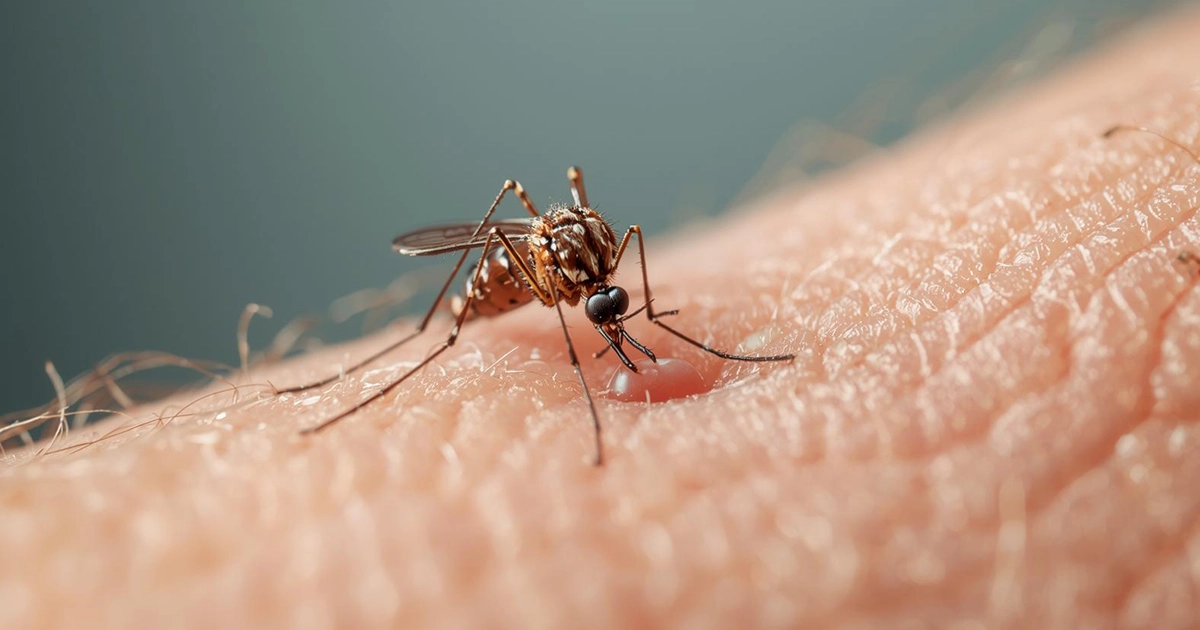
- Only female mosquitoes bite because they need a blood meal to produce eggs.
- A single female can lay hundreds of eggs during her short lifespan.
- Mosquito eggs can survive dry conditions for long periods and hatch once they contact standing water.
- Even small amounts of water, like those found in plant saucers or clogged gutters, can support mosquito development.
These facts reinforce why yard maintenance and environmental awareness play such a big role in mosquito prevention.
Mosquito-Borne Diseases Reported in the United States
Public health agencies track a variety of mosquito-borne pathogens. Not all occur in every region, and most human cases in the U.S. are rare. For detailed information, refer directly to the CDC or your local health department.
West Nile Virus
The most commonly reported mosquito-borne virus in the United States. According to the CDC, it is primarily maintained in a cycle between birds and mosquitoes. Most human infections occur during warmer months.
Dengue
Dengue is more common in tropical and subtropical regions, but some cases have been identified in parts of the U.S. Public health agencies monitor dengue closely because the mosquitoes that can spread it are expanding geographically.
Chikungunya
This virus is monitored by the CDC because of its presence in parts of the Americas. In the U.S., most cases have historically been associated with travel, and local transmission is rare.
Zika Virus
Zika is tracked due to its potential health impacts on pregnant individuals. Most recent U.S. cases have been travel related, with public health agencies watching for changes in mosquito distribution.
Heartworm in pets
Mosquitoes can spread heartworm to dogs, cats, and other animals. Veterinarians recommend regular preventative medication, and pet owners should consult their vet for guidance.
For the most accurate and up-to-date information, always refer to: CDC website and American Veterinary Medical Association
Why Mosquito Management Helps Reduce Risk
While mosquito control cannot eliminate disease risk, reducing mosquito populations around the home helps lower the likelihood of bites. That is why mosquito prevention programs often combine:
- Removing standing water
- Treating shaded resting areas
- Improving drainage
- Maintaining landscaping
- Using protective yard treatments
Our Approach and Expertise
Clean Air Mosquito Control uses natural products and targeted application methods that reduce mosquito activity around outdoor living spaces. We are highly trained in mosquito behavior, breeding cycles, resting patterns, and habitat reduction. We also follow guidance from public health agencies and local mosquito control programs to align with best practices for prevention.
For medical questions or concerns, always refer to trusted public health authorities or your healthcare provider.